


Watch Description
What Makes The Lancaster 132 Unique:
The Lancaster 132 is defined by rarity at every level, from the dial signature to the movement itself. The enamel dial is crisp and balanced, featuring bold black Arabic numerals, a finely printed outer minute track with red five-minute markers, and a recessed sub-seconds register at 6 o’clock. At center, the signature reads “George E. Butler, San Francisco,” a detail that immediately sets this piece apart. The printing is sharp and confidently placed, preserving the original retailer’s identity without distraction, while the blued-steel hands provide a subtle contrast against the bright white dial.
That name is not decorative. George E. Butler was a legitimate San Francisco retailer in the early 20th century, and Hamilton did not private-label movements lightly. For a dealer’s name to appear on both the dial and movement, there had to be a level of trust and reputation behind it. This suggests Butler was operating at a high tier of retail during a period when San Francisco was rebuilding and thriving post-1906 earthquake, placing this watch firmly in the context of a rapidly modernizing, affluent West Coast market.
Inside, the story becomes even more unusual. This watch is powered by a 19-jewel Hamilton movement manufactured in Lancaster, Pennsylvania, in 1911. While Hamilton was known for precision and interchangeability of parts, this particular movement is a documented exception. Every component carries its own individual serial marking, designating it as a unique, non-interchangeable assembly. Based on our notes, this would have been selected from a much larger production batch and intentionally preserved as a singular configuration. For collectors, this is the kind of anomaly that elevates a movement from historically interesting to genuinely significant.
That same uniqueness made restoration exceptionally difficult. Unlike standard antique movements where worn components can be replaced, this piece required each original part to be individually repaired and refinished to maintain its integrity. The result is a movement that remains entirely original in composition, with its architecture, gear train, and finishing intact more than a century later. Visually, the movement displays classic Hamilton finishing, with damaskeened patterns across the plates, polished steel elements, and gold-toned gears, all visible through the exhibition caseback.
The watch is housed in a machined 316L stainless steel case, offering a clean and modern frame for the antique components within. The crown remains positioned at 12 o’clock, preserving the original pocket watch orientation and reinforcing the historical authenticity of the piece. Paired with a 24mm tan leather strap, the overall presentation balances the watch’s refined dial with a slightly more grounded, wearable aesthetic.
Movement Manufacturer Information
The movement inside of this watch was made by Hamilton Watch Company. We call this model "The Lancaster" because the company was located in Lancaster, Pennsylvania.
Hamilton is named after famous Pennsylvanian Alexander Hamilton and is the result of multiple re-organizations of attempted watch companies in Lancaster, Pennsylvania. Founded in 1892, Hamilton had a reputation for superior quality and maintained half of the railroad watch market share during some of the most prolific years of American railroad history. During World War II, Hamilton was integral to the production of accurate timepieces for the Military. Deemed "the watch that won the war," the company established an employee-run newsletter so that employees turned soldiers could keep up with life at the factory. While the original factory still stands as luxury apartments, the company stopped producing watches in the US in 1969. Hamilton now produces watches in Switzerland and is owned by the Swatch Group.
Legal Disclaimer: All product and company names, logos, brands, and other trademarks featured or referred to within Vortic's products and services are the property of their respective intellectual property rights holders, if any. Those intellectual property rights holders, other than Vortic Holding Company, LLC, are not affiliated with Vortic Holding Company, LLC, our products, or our website. They do not sponsor or endorse our materials.
Watch Specifications
- Manufacturer: Vortic Watch Company
- Model Year: 2025
- Warranty: Full 1-Year Warranty
- Case Diameter: 47mm
- Case Material: Machined Stainless Steel
- Crown/Hardware: Stainless Steel
- Water Resistance: 1 ATM
- Crystals: Front: Domed Sapphire Back: Sapphire
- Case Back: Stainless Steel
- Strap: 24mm Tan Leather Strap with Steel Buckle
Movement
- Manufacturer: Hamilton Watch Company
- Serial Number: 1752403
- Manufacture Year: 1911
- Function: Manual Wind
- Jewels: 19 Jewels
- Hands: Original
- Size: See Description
- Power Reserve: ~36 Hours
What Makes The Lancaster 132 Unique:
The Lancaster 132 is defined by rarity at every level, from the dial signature to the movement itself. The enamel dial is crisp and balanced, featuring bold black Arabic numerals, a finely printed outer minute track with red five-minute markers, and a recessed sub-seconds register at 6 o’clock. At center, the signature reads “George E. Butler, San Francisco,” a detail that immediately sets this piece apart. The printing is sharp and confidently placed, preserving the original retailer’s identity without distraction, while the blued-steel hands provide a subtle contrast against the bright white dial.
That name is not decorative. George E. Butler was a legitimate San Francisco retailer in the early 20th century, and Hamilton did not private-label movements lightly. For a dealer’s name to appear on both the dial and movement, there had to be a level of trust and reputation behind it. This suggests Butler was operating at a high tier of retail during a period when San Francisco was rebuilding and thriving post-1906 earthquake, placing this watch firmly in the context of a rapidly modernizing, affluent West Coast market.
Inside, the story becomes even more unusual. This watch is powered by a 19-jewel Hamilton movement manufactured in Lancaster, Pennsylvania, in 1911. While Hamilton was known for precision and interchangeability of parts, this particular movement is a documented exception. Every component carries its own individual serial marking, designating it as a unique, non-interchangeable assembly. Based on our notes, this would have been selected from a much larger production batch and intentionally preserved as a singular configuration. For collectors, this is the kind of anomaly that elevates a movement from historically interesting to genuinely significant.
That same uniqueness made restoration exceptionally difficult. Unlike standard antique movements where worn components can be replaced, this piece required each original part to be individually repaired and refinished to maintain its integrity. The result is a movement that remains entirely original in composition, with its architecture, gear train, and finishing intact more than a century later. Visually, the movement displays classic Hamilton finishing, with damaskeened patterns across the plates, polished steel elements, and gold-toned gears, all visible through the exhibition caseback.
The watch is housed in a machined 316L stainless steel case, offering a clean and modern frame for the antique components within. The crown remains positioned at 12 o’clock, preserving the original pocket watch orientation and reinforcing the historical authenticity of the piece. Paired with a 24mm tan leather strap, the overall presentation balances the watch’s refined dial with a slightly more grounded, wearable aesthetic.
Let customers speak for us
The Movement
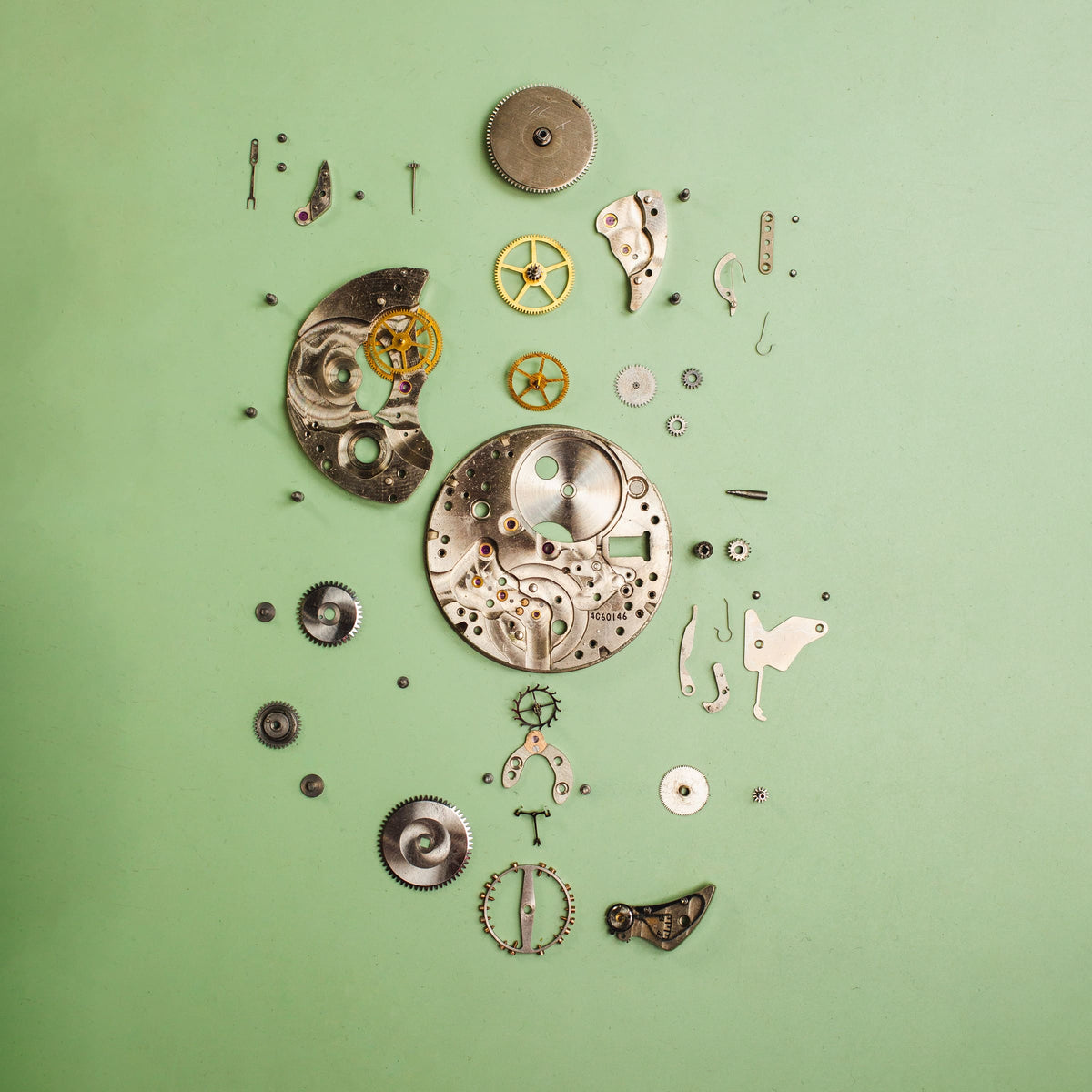
The engine that powers this watch is an antique American pocket watch movement. All the gears and springs that make it tell time are roughly 100 years old on average. We call these watches the American Artisan Series because we're celebrating the history and legacy of the artisan watchmakers who built this engineering marvel a century ago in the United States.
The Story
Today most pocket watches are scrapped for the gold or silver of the case (the outside of the antique timepiece), leaving the inside (what we call the "movement") as trash.
We take pride in upcycling these pieces of American history by salvaging as many as we can, then preserving them inside our wristwatches.
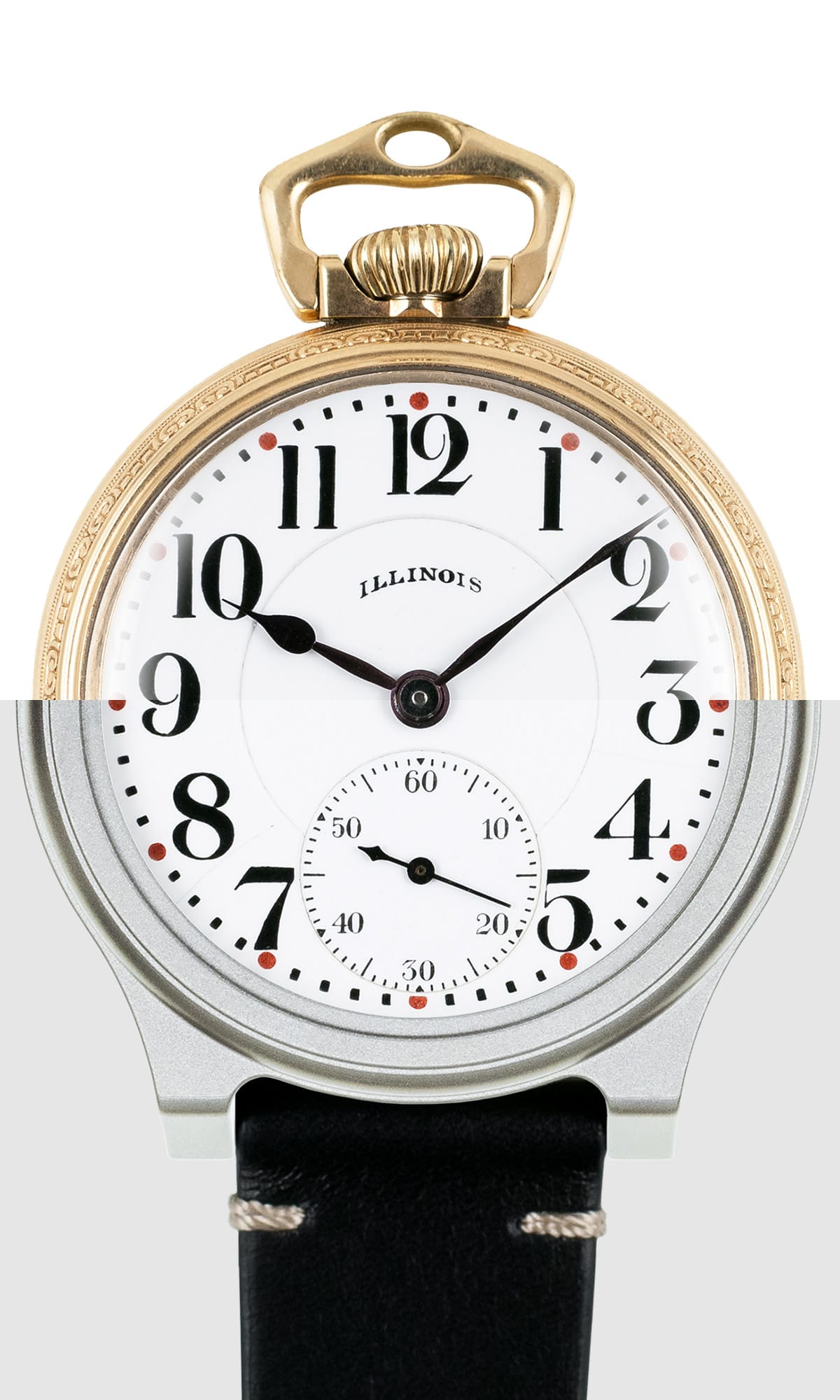
Our expert team of watchmakers restores the antique movement and then we manufacture a custom wristwatch case here in Fort Collins, Colorado.
The Strap
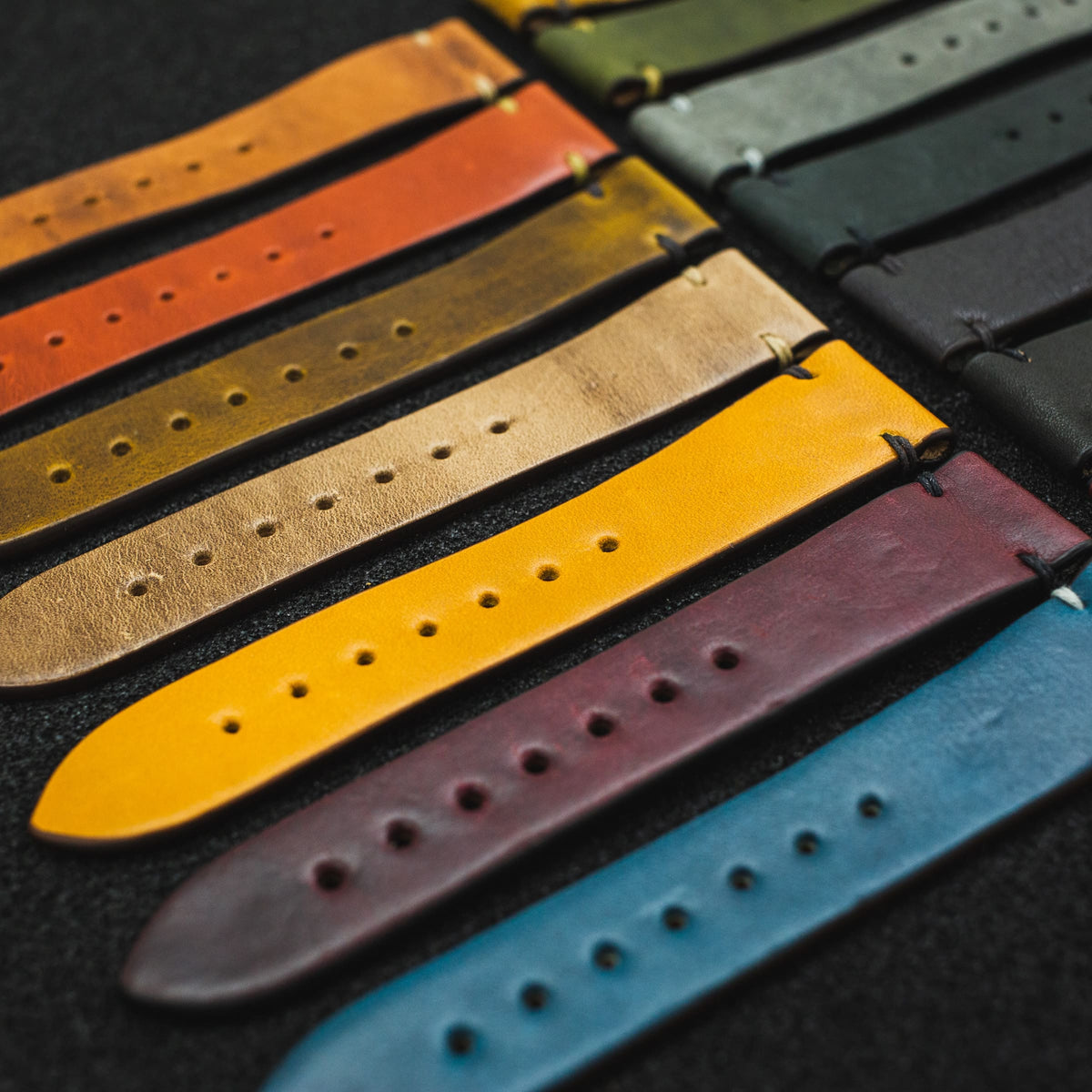
We partnered with Worn & Wound to produce a custom set of straps for our American Artisan Series watches. We now have 15 different colors to choose from including our two Horween Shell Cordovan options. These straps are made in the USA and are based on the Windup Model 2 Premium strap that Worn and Wound offers.